Mastering HazLoc and IP Certifications for Unrivaled Performance in Extreme Environments
At Acura Embedded Systems, our commitment to safety, reliability, and cutting-edge performance is fundamentally rooted in our rigorous adherence to industry-leading certifications. We don't just build tough computers; we meticulously engineer tested and certified solutions designed to thrive where standard electronics fail.
This comprehensive overview will detail the critical certifications that define our products, emphasizing the distinction between general "ruggedness" and the paramount importance of HazLoc compliance, alongside the various levels of Ingress Protection (IP) ratings.
1. Beyond "Rugged": The Imperative of HazLoc Certification
The term "rugged" is often broadly applied in the industrial computing market, typically implying physical durability against drops or minor impacts. However, for Acura Embedded Systems, "rugged" is merely a baseline. Our true differentiator and the cornerstone of our value proposition is HazLoc Certification.
What is a Hazardous Location (HazLoc)?
HazLoc refers to environments where flammable gases, vapors, liquids, or combustible dusts are present in the air in sufficient quantities to produce explosive or ignitable mixtures. Industries such as Oil & Gas, Mining, Chemical Processing, and certain Manufacturing sectors inherently contain these risks. In such settings, a single electrical spark, an overheated component, or a system failure can trigger catastrophic explosions, leading to severe injuries, fatalities, and immense financial and environmental damage.
What are EX Certified Products?
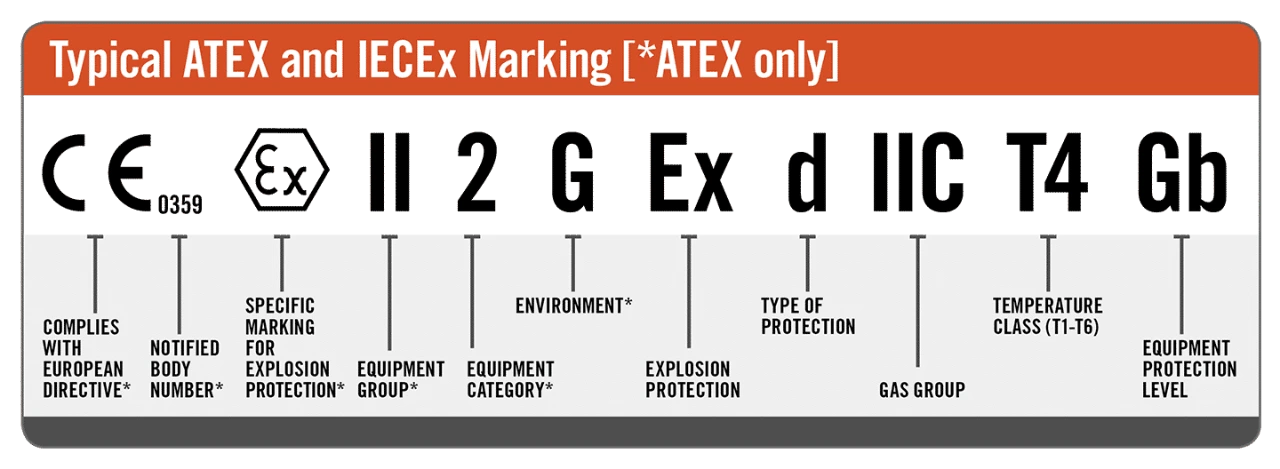
Products that are EX and ATEX compliant have been proved safe to use in specific environments with explosive atmospheres, according to the zone/s they are certified to be used in.
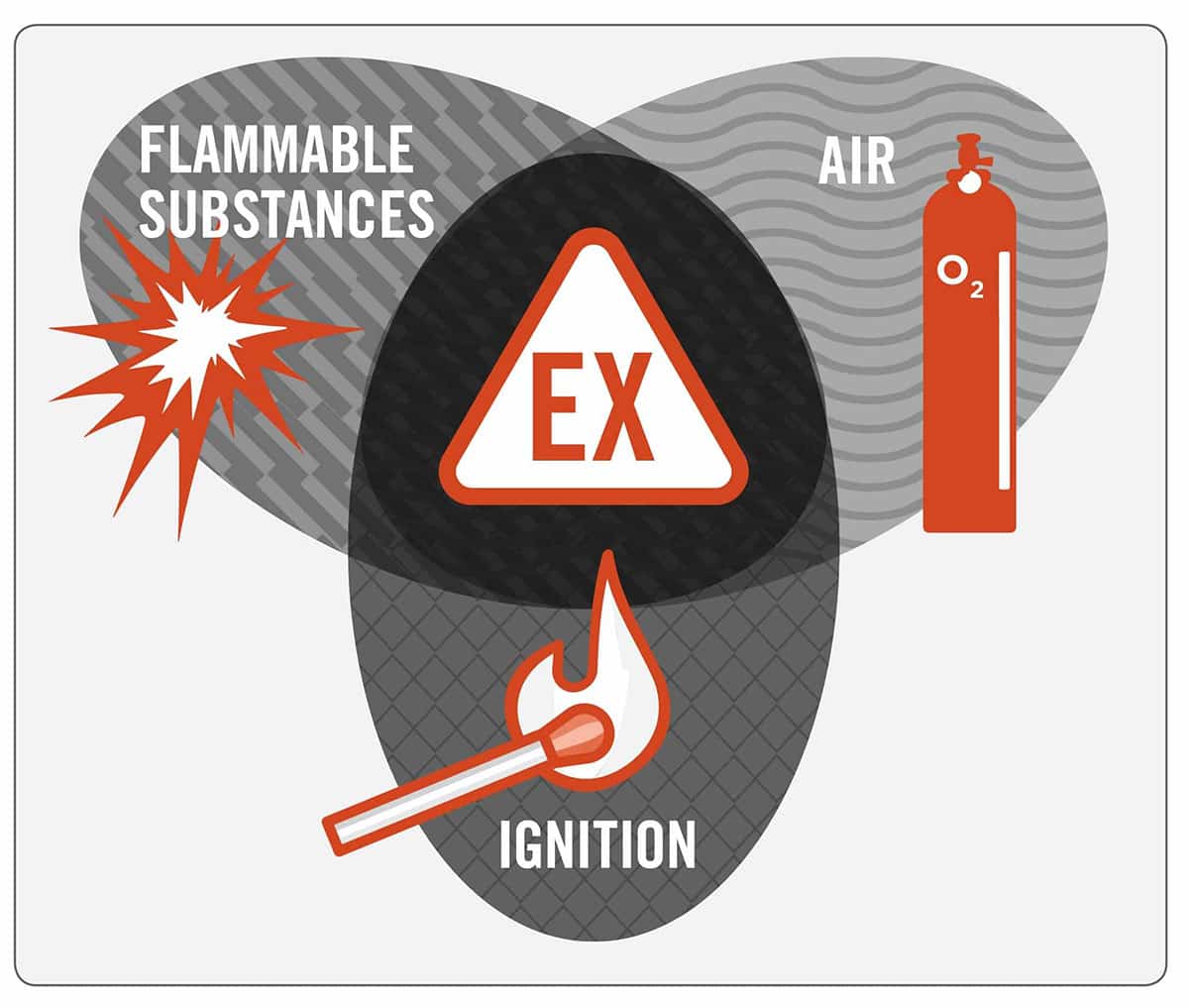
The European Union has mandated that ATEX compliance is necessary wherever a potentially explosive atmosphere exists in order to keep workers safe. These atmospheres are characterized by possessing three things.
- air
- an ignition source
one of the following three substances:
- flammable gases
- mists or vapor
- combustible dust
Products that have received ATEX certification will have the official “Ex” badge, indicating they are safe in explosive atmospheres.
Why HazLoc Certification is Critical:
Acura's HazLoc certified computers are specifically engineered to prevent ignition sources. This means every component, from the processor to the smallest screw, is designed and tested to contain potential sparks or heat, ensuring it cannot ignite the surrounding hazardous atmosphere. This is not merely a feature; it is a safety standard and a regulatory requirement in these high-risk environments.
International HazLoc Certifications (ATEX & IECEx):
ATEX: A European Union directive covering equipment and protective systems intended for use in potentially explosive atmospheres.
IECEx: An international system for certifying equipment for use in explosive atmospheres, facilitating global trade of such equipment.
Acura's products frequently carry both ATEX and IECEx certifications, ensuring global compliance and broad market access for our clients.
Key HazLoc Classifications and Acura's Expertise:

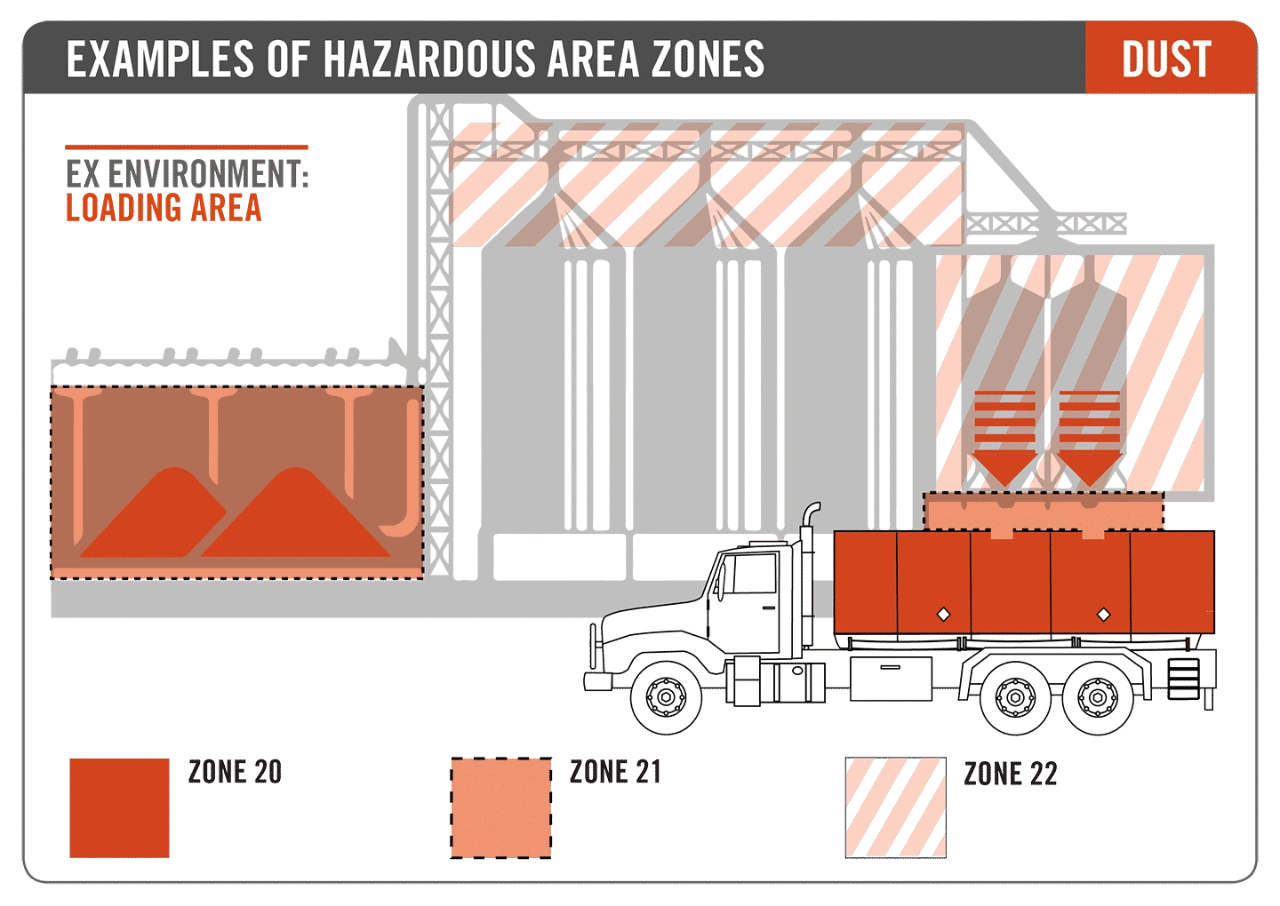
Zone 0, 1, 2 – These are zones for areas in which dust clouds are or might be present.
- Zone 20/(C1D0/C1Z0) – Explosive mixtures are present in the air continuously. Category 1 equipment required.
- Zone 21/(C1D1/C1Z1) – Explosive mixtures are present in the air intermittently. Category 2 or 1 equipment needed.
- Zone 22/(C1D2/C1Z2) – Explosive mixtures are present abnormally or infrequently in the air. Category 3, 2, or 1 equipment required.
TYPE 4X/NEMA 4X: This rating, often associated with IP ratings, denotes a high level of protection for enclosures against dust, rain, sleet, snow, external ice formation, and corrosion. This makes our products ideal for aggressive industrial and outdoor environments where exposure to corrosive agents is a concern. Type 4X is for North America, Nema 4X is used internationally.

2. The Rigorous Certification Process: Ensuring Unwavering Safety and Performance
Acura's commitment to HazLoc certification is a continuous and highly technical process, guaranteeing the safety and cutting-edge performance of our products.
Certification at the Component Level: It is fundamental to understand that every individual component within our HazLoc-certified systems must itself be certified. This means we cannot simply swap an internal part without it undergoing a rigorous certification process.
This includes everything from CPUs and motherboards to connectors, power supplies, and even the smallest internal wiring and sealing compounds. The certification body thoroughly tests each part to ensure it meets the stringent HazLoc requirements.
Annual Recertification and Continuous Innovation: We maintain strong relationships with local certification companies. We take our electronic equipment back to them every year for recertification. This annual review is crucial, especially as Acura is constantly integrating new technologies.
This proactive approach allows Acura to rapidly adopt the latest CPU generations (e.g., jumping from 7th to 14th gen Intel CPUs in two years) while maintaining full compliance. This capability of rapid innovation and continuous certification is a significant challenge for our competitors, who often lag behind due to the complexity and cost of re-certification. Our R&D team works 24/7, developing new technologies and keeping certifications on the cutting edge.
Integrating Proprietary Customer Boards: For customers who wish to integrate their own proprietary boards into our systems, Acura facilitates the entire certification process.
Required Documentation: We request detailed information about the customer's boards, including the Bill of Material (BOM), circuit drawings, and Gerber files (which provide complete board details for manufacturing and testing).
IP Protection: To safeguard the customer's sensitive intellectual property, we sign Non-Disclosure Agreements (NDAs). If the customer still prefers, we can connect them directly with the certification company so that they release the information directly to the certifying body, ensuring Acura does not have access to the confidential board details.
Duration of Certification: The certification process for a new board typically takes two to three months. However, the exact timeframe can vary significantly depending on the complexity of the board (e.g., if it involves high voltage or complex components) and the workload of the certification company. If the customer can wait for our annual recertification cycle, there is usually no additional charge for this certification. However, if they require immediate certification outside this cycle, there will be a fee for a dedicated certification process.
Rigorous Testing to Break Barriers: To achieve certifications like C1D1/Zone 1, Acura conducts extreme internal tests. This includes procedures where computers are "blown up" (filled with gas and subjected to controlled explosions) to ensure the design can withstand such conditions without failure, proving that the unit does not become an ignition source. Our ultimate goal is to create a Zone 1 computer that is not only certified but also upgradable, a capability that currently does not exist in the market. This commitment to upgradability in Zone 1 environments is a testament to our long-range planning (5 to 10 years) and modular system design, ensuring customers don't have to reinvest in entirely new units when technology advances.
3. Ingress Protection (IP) Ratings: Shielding Against Environmental Hazards
IP ratings are an international standard (IEC 60529) used to classify the degree of protection provided by mechanical casings and electrical enclosures against intrusion from solid objects (like dust) and liquids (like water).
Understanding IP Rating Structure (IPXX):
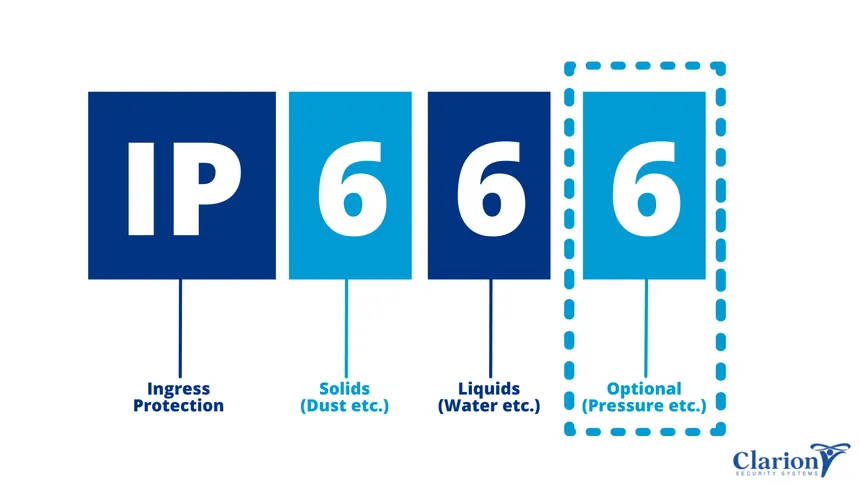
First Digit (Solids): Indicates the protection against solid foreign objects, ranging from large objects (1) to completely dust-tight (6).
Second Digit (Liquids): Indicates the protection against liquids, ranging from dripping water (1) to high-pressure jets and temporary immersion (8).
Key IP Ratings for Acura Products:
IP65: This is a common rating for many Acura products, including the Roughneck and AcuBrite displays.
6 (Dust-tight): No ingress of dust.
5 (Protected against water jets): Water projected by a nozzle from any direction shall have no harmful effects.
This rating means our products are fully sealed and "washable." They can withstand direct cleaning with pressure washers or even caustic sprays on an oil rig without internal damage, a crucial feature for maintaining hygiene and functionality in dirty environments.
IP66: This rating offers an even higher level of liquid ingress protection.
6 (Dust-tight): No ingress of dust.
6 (Protected against powerful water jets): Water projected in powerful jets (12.5 mm nozzle) against the enclosure from any direction shall have no harmful effects. The RNK Bastion, for example, boasts an IP66 rating on all sides, signifying its extreme resilience to water ingress.
Acura's Sealed Design Philosophy:
Our ability to achieve such high IP ratings stems from meticulous design and manufacturing processes:
Fully Sealed Chassis: Our enclosures are designed to prevent any air, moisture, or dust from entering or leaving.
Vacuum Sealing Process: During manufacturing, we heat our components and chassis in a chamber. When the system is sealed at high temperatures and then cools down, the body shrinks, creating an internal compression or vacuum. This ensures that even microscopic gaps are effectively sealed, providing superior protection against moisture and water ingress.
4. Other Essential Certifications: Ensuring Broad Compliance and Trust
Beyond HazLoc and IP, Acura's products carry a suite of other important certifications that ensure broad compliance, electrical safety, and quality assurance.
ISO 9000: Acura adheres to the ISO 9000 quality management system standard. This certification is not about the product itself, but about the company's processes. It ensures that Acura consistently provides products and services that meet customer and regulatory requirements, and aims to enhance customer satisfaction through effective application of the system, including processes for improvement. This commitment to quality management is a significant factor in our productivity and relationships with suppliers and customers.
Electrical Safety & Regional Compliance:
CSA/UL: Certifications for electrical product safety, primarily recognized in North America (Canada and United States).
CE: A mandatory conformity marking for products sold within the European Economic Area (EEA), indicating compliance with EU health, safety, and environmental protection standards.
FCC (Federal Communications Commission): Certification for electronic products sold in the United States, ensuring they comply with electromagnetic interference (EMI) standards.
UKCA (UK Conformity Assessed): A new UK product marking used for goods being placed on the market in Great Britain (England, Wales and Scotland), covering compliance with UK regulations. These certifications collectively ensure that Acura's products can be safely and legally deployed across major global markets.
e-Mark Certified Equivalent (for Vehicle Integration): While specific e-Mark certification details may vary by product line, Acura's computing solutions, such as the PowerBrick series, are designed for rugged vehicle integration. Their design and existing certifications (like C1Z2, CSA/UL, ATEX, CE, FCC) provide equivalent assurance for reliable performance in mobile systems and demanding automotive applications.
By understanding and articulating the depth of these certifications, Inside Sales professionals can effectively communicate Acura's unwavering commitment to safety, quality, and performance, building trust and confidence with our discerning industrial customers.
There are no comments for now.
to be the first to leave a comment.